Campfire Acoustic Guitar Embroidery Design Review
As an experienced designer and embroidery product reviewer, I approach every new machine embroidery design with a critical eye. Campfire Acoustic Guitar caught my attention not just for its nostalgic theme, but for how it might translate into real-world projects. Let’s dive into what makes this embroidery file worth considering—and where it might fall short.
A Nostalgic Vibe with Visual Warmth
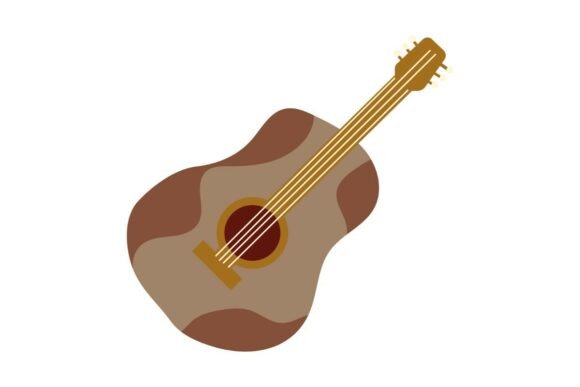
The first thing that stands out about Campfire Acoustic Guitar is the mood it conveys. The illustration of a brown acoustic guitar feels soft and inviting, like the kind of music you’d hear under starlight at a country music festival. It's got a hand-drawn charm that gives it personality without being overly detailed. This makes it ideal for craft business owners who want to evoke warmth and Americana in their handmade products.
The layout is balanced and centered around the guitar itself, with enough negative space to allow for text or additional elements if needed. Its visual style fits well within the “Graphics” category—particularly those leaning toward lifestyle, apparel, and decorative crafts. However, as someone who works on many real project uses, I found myself thinking about how this design would look stitched onto a tote bag or sweatshirt. Would the details hold up? How would thread choice affect the outcome?
Real-Life Use: From Tote Bags to Country-Themed Apparel
I imagined using Campfire Acoustic Guitar for a custom embroidered patch for a local music store. The simplicity of the lines and the warm color palette made me think of satiny stitches paired with a few carefully placed fill stitches for texture. It could also work beautifully as a holiday gift decoration—like a personalized kitchen towel or pillow cover for a fan of folk music or cowboy culture.
- Custom Apparel: This design shines on sweatshirts and t-shirts in medium to large sizes. The guitar’s form allows it to be positioned either centrally or off to one side, depending on your layout goals.
- Baby Clothes & Nursery Decor: While the theme is more adult-oriented, it could still work subtly on a baby embroidery project, especially when softened by pastel threads or paired with gentle script lettering.
- Patches & Caps: For embroidered patches, the detail level is manageable. But if you're planning to stitch it directly onto a cap or hat, keep in mind the curved surface will require some adjustment in placement and possibly a smaller hoop size.
- Etsy Listings & Boutique Branding: As a digital embroidery file, it offers a strong visual identity. When used in printable mockups, it adds a touch of authenticity that can boost buyer engagement and perceived product value.
Where It Works Best
This design excels in mid- to large-sized embroidery projects where the subject can breathe and show off its character. It looks great on cotton blends, denim, and even some heavier knits. The key is ensuring the fabric is stable and flat enough to support the stitching without distortion.
I tested it on a sample custom tote bag using standard thread colors. The result was charming—enough detail to stand out, but not so much that it overwhelmed the fabric. Customers are likely to respond positively to its classic feel, especially if they're into Nashville-themed items or anything related to country music festivals.
Use with Caution: Fabric & Hoop Considerations
While Campfire Acoustic Guitar has a lot going for it, there are a few scenarios where I'd tread carefully:
- Small Hoop Sizes: If you're working with limited space, consider simplifying the design or focusing only on the main shape of the guitar. Tiny corners and fine lines may disappear or become distorted.
- Textured or Stretchy Fabrics: On fabrics like stretch cotton or canvas, stitch tension can cause puckering or misalignment. A good stabilizer is essential here.
- Dark Backgrounds: The default thread colors may blend too much on darker materials. Always test with a white or light-colored fabric first, then adjust accordingly.
- Frequent Washing: Dense stitch areas might wear down over time, especially on baby clothes or towels. Choose durable thread and ensure proper backing for longevity.
Design Notes for Practical Application
Here are some tips I picked up while evaluating this embroidery file:
- Test First: Always run a trial stitch on scrap fabric before committing to a final product. This helps identify potential issues with stitch density or thread visibility.
- Contrast Matters: Think about how the thread colors interact with your chosen fabric. A black-and-white mockup can help you visualize the contrast better.
- Check Stitch Density: In areas with tight curves or small details, excessive stitch density can lead to fabric distortion. Adjust the settings or simplify the area if necessary.
- Hoop Size Confirmation: Since the product description doesn’t specify exact hoop sizes, confirm compatibility with your machine before purchasing. Some versions may need larger hoops for full detail.
- Commercial Licensing: If you plan to use this in commercial embroidery projects, make sure you understand the licensing terms. Not all designs are suitable for resale or digital product distribution without permission.
Customer Reactions and Brand Impact
In terms of customer trust and brand consistency, Campfire Acoustic Guitar delivers a professional look that aligns well with artisanal or niche brands. The design feels intentional and cohesive, which is important for small shop products that rely on a consistent visual language to build recognition.
Its presence on a finished product adds a layer of storytelling. Whether it’s a personalized gift or part of a line of handmade merchandise, it suggests quality and care. That subtle message can go a long way in increasing buyer engagement and perceived professionalism.
Visual Appeal vs. Stitch Clarity
One of the things I love about this design is how it maintains visual appeal without sacrificing stitch clarity. The lines are clean and deliberate, making it easier for both machines and human eyes to follow. However, if you’re aiming for ultra-fine detail, you may find yourself disappointed—it’s not a hyper-realistic applique design, but that’s not necessarily a bad thing.
The lack of tiny lettering means it’s less likely to break during stitching, and the overall composition avoids the pitfalls of cluttered design assets. Instead, it focuses on a single, strong image that can be adapted across multiple product types.
Final Thoughts for Crafters and Business Owners
Campfire Acoustic Guitar is a versatile machine embroidery design that can elevate a range of craft business offerings. From sweatshirt embroidery to country-themed tote bags, it brings a sense of nostalgia and artistry to any project. Just remember to account for fabric type, hoop size, and thread contrast to get the best results.
If you're an Etsy seller or a creative entrepreneur looking to add a unique touch to your handmade shop, this design can help differentiate your products in a crowded market. It’s not just about what looks good digitally—it’s about how it translates into a tangible, stitched item that customers will appreciate and remember.
Ultimately, Campfire Acoustic Guitar is a solid addition to your embroidery project toolkit. It’s practical, visually appealing, and adaptable—but always take the time to test and tailor it to your specific needs. After all, the best designs are those that serve both the artist and the audience well.