Classic Lucky Horseshoe Embroidery Design Review
As an experienced embroidery designer and product reviewer, I always approach a new machine embroidery design with a critical eye. The goal isn’t just to see if it stitches well—it’s to determine how it will perform in the real world, from tote bags to custom apparel, and whether it adds value to both the handmade product and the brand behind it. Today, I’m putting the Classic Lucky Horseshoe through that practical evaluation.
First Impressions: Timeless and Versatile
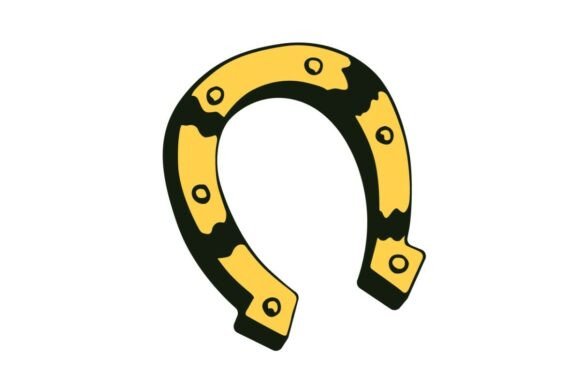
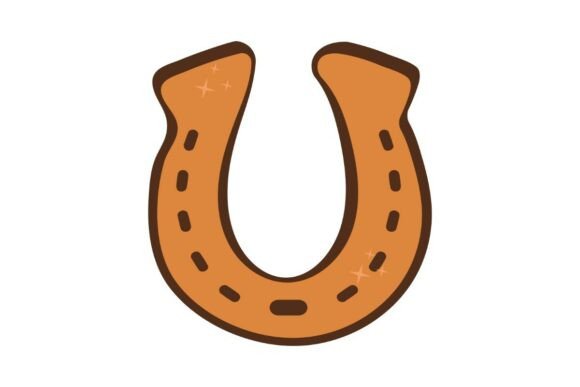
The Classic Lucky Horseshoe presents itself as a clean, golden-brown illustration of a well-maintained horseshoe. Unlike the more weathered or rusted versions you often find, this one has a polished feel—its curves are smooth, its lines are deliberate, and it exudes a quiet confidence. It doesn’t shout; it whispers good fortune with a classic touch. That subtle charm makes it ideal for a wide range of crafts and graphics, especially where understated elegance is key.
Visually, it feels like something you’d want to stitch onto a linen tote or a leather jacket—not because it’s flashy, but because it carries weight. The layout is balanced, the shape is familiar yet refined, and the lack of unnecessary detail allows it to blend into various contexts without losing its identity. For embroidery projects aiming to capture the spirit of western décor or equestrian themes, this design hits all the right notes.
Real-World Performance on Custom Projects
Let’s talk about real-life use. I recently worked on a batch of custom embroidered sweatshirts for a boutique line of western-themed activewear. The Classic Lucky Horseshoe was the perfect candidate for placement on the back pocket area. Its shape didn’t overwhelm the garment, and the golden-brown thread colors gave it a warm, inviting look that stood out subtly against light denim fabric.
When stitched using satin and fill techniques, the design maintained clarity and dimensionality. The edges were crisp, and the inner details—like the slight texture mimicking metal—were rendered cleanly enough to avoid looking cluttered. This is important when considering sweatshirt embroidery or custom apparel, where too much detail can get lost in the fabric’s nap.
I also tested it on a set of handmade aprons made from cotton canvas. The result was equally impressive. The design felt at home on such sturdy materials, and its simplicity allowed it to be easily paired with other elements like monogrammed initials or small floral accents. This kind of flexibility is invaluable for craft business owners or Etsy sellers who need designs that work across multiple products and styles.
A Natural Fit for Tote Bags and Patches
For tote bag design, the horseshoe’s size and symmetry make it easy to scale and position. A 4x4 inch version looked great centered on a canvas tote, while a smaller 2x2 inch version worked well on the corner of a recycled tote. The golden-brown color scheme added warmth without being overpowering, which is a nice middle ground between bold and boring.
As an applique design, it performed admirably. When applied as a patch on a denim jacket, the stitching held up well after multiple washes. The design’s structure ensured it remained intact even after bending and folding. For those creating embroidered patches, this is a reassuring quality—especially if your customers are active or your products will endure frequent wear.
Where to Use It with Care
While the Classic Lucky Horseshoe is versatile, there are scenarios where it may not shine as brightly:
- Small hoop sizes: The design has a decent footprint. If you’re working with hooping under 5 inches, consider scaling it down carefully or adjusting the stitch density to prevent distortion.
- Textured fabrics: On materials like flannel or corduroy, some of the fine lines might soften. You’ll need to test the design on similar textures before finalizing production.
- Stretchy or thin fabrics: The stitch density and direction should be reviewed to ensure the design lies flat and doesn’t pull or pucker.
- Dark fabric backgrounds: The golden-brown hues don’t pop as well on darker materials. Always check thread contrast before committing to a run.
- Curved surfaces: Placing the design on a curved surface like a cap or hat requires precise alignment and possibly a smaller version to maintain proportion and readability.
- Densely packed corners: While the design avoids overcomplication, any intricate junctions (like the ends of the horseshoe) could benefit from a closer inspection on your machine to ensure no missed stitches.
These aren’t dealbreakers—they’re simply considerations for anyone planning to integrate this design into their workflow. As a seasoned embroiderer, I’ve learned that preparation and testing are just as important as creativity.
Design Impact on Product Value and Customer Appeal
One of the biggest advantages of the Classic Lucky Horseshoe is how it elevates the perceived value of a product. Whether it’s a personalized baby blanket or a branded promotional item, the horseshoe adds a touch of heritage and symbolism. Customers respond well to subtle, meaningful design choices—this one fits that bill perfectly.
From a branding standpoint, the design contributes to a cohesive visual language. If your craft business leans toward rustic or vintage aesthetics, this symbol ties everything together without becoming too kitschy. It’s professional, recognizable, and timeless. In fact, I found it to be a strong addition to printable mockups for digital product previews, making it a solid choice for digital embroidery file creators and online retailers alike.
Its presence also enhances giftability. The horseshoe is a universally understood emblem of luck, so it works well for holiday gifts, wedding favors, or nursery decor. Even when scaled down, it retains enough character to be noticeable and memorable.
Practical Designer Notes for Implementation
Before adding the Classic Lucky Horseshoe to your next project, here are some quick tips based on my experience:
- Test on scrap fabric first: Especially if you're planning to use it on stretchy, textured, or dark materials. Stitch it out and evaluate the outcome.
- Check thread color contrast: Golden-brown looks best on neutral or light tones. Don’t assume it’ll work well on every background—try black and white mockups to confirm.
- Review stitch density: Adjust settings if needed for specific fabrics or machines. Dense areas might require a stabilizer to keep them from puckering.
- Confirm hoop size: Ensure the design fits comfortably within your chosen hoop dimensions. Overcrowding can lead to misalignment or poor stitch quality.
- Inspect small details: Look closely at the design’s finer lines and curves. They should hold up well across different stitch types and placements.
- Use proper stabilizer: Particularly on stretchier or thinner materials. A tear-away or cut-away stabilizer can help preserve the design’s integrity.
- Check commercial licensing: If you plan to sell finished items or offer the embroidery file as part of a digital product, always verify licensing terms to stay compliant.
By taking these steps, you’ll ensure that the Classic Lucky Horseshoe not only looks good but functions well in your creative output. These small adjustments can have a big impact on the final product’s quality and customer satisfaction.
Final Thoughts for Creative Entrepreneurs and Makers
In the end, the Classic Lucky Horseshoe is a reliable and elegant option for a variety of embroidery projects. It brings a sense of tradition and charm that resonates with customers looking for personalization, authenticity, and a touch of symbolism in their purchases.
It’s not a wild or experimental design—it’s the kind of asset that quietly does its job. And in the world of handmade products and small shop merchandise, that’s a strength. It blends seamlessly into many contexts, from casual tees to upscale western accessories, and offers enough personality to stand out without overwhelming the piece.
If you’re an embroidery designer or apparel decorator looking for a symbol that conveys luck, legacy, and style, the Classic Lucky Horseshoe is worth considering. Just remember to test it out, adjust for your materials, and always double-check licensing before selling it commercially. With the right approach, this design can become a staple in your collection of design assets.