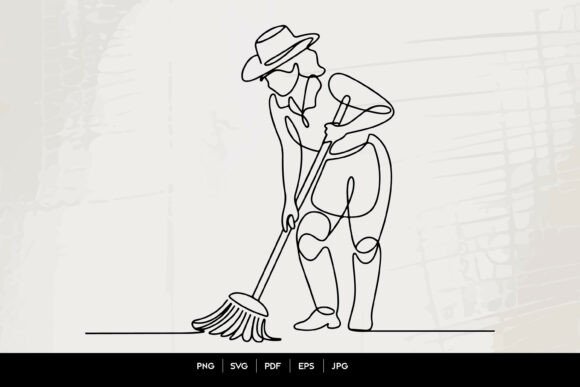
Farmer Sweeping with Broom Line Art Review for Real Projects
As an experienced embroidery designer and product reviewer, I’ve seen my fair share of line art designs that promise charm but fall flat when stitched. Farmer Sweeping with Broom Line Art caught my eye for its rustic theme and clean lines. Let’s dive into how it actually holds up in real-world applications—because the best design is only as good as what it looks like after it's been sewn onto fabric.
First Impressions: Rustic Charm Meets Modern Simplicity
The moment I opened the digital embroidery file, I was struck by the visual balance. The farmer figure is stylized yet expressive, with a broom in hand that conveys motion without overcomplicating the composition. The layout is generous enough to allow room for customization, and the line work is crisp, which is a big plus for machine embroidery.
I immediately thought of using this on a custom sweatshirt for a small farm-themed boutique. The theme feels authentic—perfect for crafts that lean into rural or agricultural motifs. It also has a subtle sense of humor and personality, which makes it stand out from generic clipart-style graphics.
Real-World Applications and Project Fit
This design works well in a variety of contexts. Here are some of the most practical uses I've considered:
- Tote bag design: The open space around the figure allows for placement in the center or off to one side, making it ideal for branded or personalized bags.
- Sweatshirt embroidery: Its moderate scale fits nicely on a chest area without overwhelming the garment.
- Baby clothes: While not inherently “babyish,” the gentle tone and silhouette could be softened with pastel thread colors for a sweet nursery look.
- Embroidered patch: The clear outlines and minimal shading make it a solid candidate for patch creation, especially if you're looking for something vintage-inspired.
- Apron or tea towel: A nod to manual labor and home care makes this design a great fit for kitchenware or household items.
- Holiday gifts: Consider stitching it onto a festive pillow cover or blanket as a playful twist on holiday themes like housekeeping or rural life.
- Commercial embroidery projects: If you’re an Etsy seller or run a craft business, this design can elevate your product listings while maintaining a professional appearance.
One thing I appreciated is that it doesn’t scream for color. The line art nature means you can experiment with different thread colors and even satin stitch outlines for contrast. That versatility gives it a broad appeal across audiences—from hobbyists to small shop products.
Where to Use with Caution
While Farmer Sweeping with Broom Line Art is versatile, there are a few situations where it might not perform at its best:
- Small hoop sizes: The figure is fairly large, so scaling it down too much could lose important details.
- Textured fabrics: On materials like flannel or canvas, the fine lines may become muddled if not stabilized properly.
- Stretchy or thin fabrics: These require careful handling of stitch density to avoid puckering or distortion.
- Dark fabric backgrounds: Since the design relies on negative space, dark bases may reduce visibility unless you use high-contrast threads or add backing stitches.
- Curved surfaces: You’ll need to adjust placement carefully to ensure it sits flat and doesn't distort due to curvature.
- Detailed corners: Some of the sweeping motion involves subtle curves and angles; these might need manual tweaking depending on your machine and stabilizer setup.
- Products needing frequent washing: High-density areas could fray over time unless you use quality stabilizers and durable thread.
If you plan to use this for commercial embroidery, always check the licensing terms before selling finished items or digital design assets. And remember, testing is key—especially for handmade products meant for resale.
Design Notes for Embroidery Success
Here are some practical tips based on my experience with similar line art designs:
- Test on scrap fabric first: Especially if you're planning to use stretchy or delicate material. See how the lines hold up under tension.
- Check thread color contrast: Try a few different shades to see which ones pop best against your chosen fabric. White or cream threads work wonders on darker tones.
- Review stitch density: Make sure fill areas aren’t too tight, which can cause puckering. Adjust settings based on fabric weight.
- Confirm hoop size: Before starting any production run, verify that your hoop accommodates the full design without stretching the fabric unnaturally.
- Inspect small details: The farmer’s facial features and the broom handle are delicate. Ensure they remain intact after stitching.
- Test in black and white mockups: This will help you visualize how the design will appear once converted to thread and stitched, regardless of background.
- Compare light and dark fabric backgrounds: You might find that the design needs additional detail or a second layer on darker materials to maintain clarity.
- Use proper stabilizer: Tear-away or cut-away stabilizers can make a huge difference in preserving the integrity of the design, especially on stretchy or washable items.
- Consider both personal and commercial use: This design has enough character to work well for personalized gifts, but it’s also suitable for branding in a craft business setting.
Visual Appeal and Stitching Clarity
What I love about Farmer Sweeping with Broom Line Art is that it’s simple but not simplistic. The sweeping motion adds a nice dynamic element, and the overall shape is friendly and approachable. As a result, it creates a warm, relatable mood—ideal for handmade products aimed at families, homesteaders, or people who appreciate country living.
In terms of stitching clarity, the design translates well from digital format to physical. The lines are consistent and don’t have unnecessary complexity, which helps avoid stitch issues. However, I’d recommend running a test piece to evaluate how the lines render on your specific machine and fabric combo.
Product Value and Customer Reaction
When evaluating the value of this design, I think it stands out for its thematic flexibility. Whether used on a nursery decor item or a rugged apron, it brings a touch of authenticity and charm. Customers tend to gravitate toward designs that tell a story—even if it’s just a quiet one like a farmer tidying up.
From a customer trust standpoint, using a well-designed embroidery file like this shows professionalism and attention to quality. For Etsy sellers or handmade shop owners, this can mean the difference between a sale and a pass. People buy into the presentation, and this design offers a polished look that elevates the finished product.
Brand Consistency and Giftability
For those running a craft business, this design can be a valuable addition to your recurring motifs. It pairs well with other rural-themed elements like barns, tractors, or animals. When used consistently, it builds brand recognition and a cohesive visual language across your product range.
As a holiday gift or personalized gift, the design is charming and unique. It’s not overly cute or cartoonish, which appeals to adults who want something meaningful and not too childish. That said, adding tiny lettering (if included) might detract from the simplicity. Always inspect the smallest text elements for readability post-stitching.
Professionalism and Buyer Engagement
Using Farmer Sweeping with Broom Line Art in your commercial embroidery projects can significantly boost buyer engagement. Its clean aesthetic and thematic depth invite storytelling, which customers respond to positively. Whether it’s part of a larger scene or standalone, it brings a level of intentionality that reflects your expertise as a designer.
It also enhances product value subtly. A line art design stitched neatly and professionally signals quality craftsmanship. This is particularly important for digital embroidery file buyers who expect their investment to translate into tangible results.
Final Thoughts
In short, Farmer Sweeping with Broom Line Art is a solid choice for many embroidery projects. It brings a sense of motion and purpose to otherwise plain textiles and works well across multiple formats and styles. But as with all designs, success depends on thoughtful application and preparation.
Before you commit, take the time to test it on fabric, consider your target audience, and confirm whether it aligns with your branding goals. With the right care, this graphics file can become a standout feature in your next batch of custom apparel or handmade product offerings.