Fringed Sheriff’s Jacket: A Bold Statement in Embroidery
As an experienced designer and embroidery product reviewer, I’ve seen countless digital designs come and go. Some are just okay—functional but forgettable. Others, like the Fringed Sheriff’s Jacket, have that rare quality of standing out while still being practical for real-world use. This design isn’t just a pretty picture; it's one that invites conversation and adds character to any project it graces.
First Impressions and Design Personality
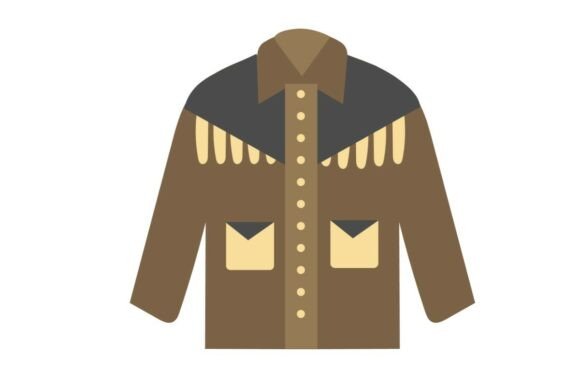
The moment I opened the machine embroidery design file for Fringed Sheriff’s Jacket, I knew it was going to be something special. The illustration is clean and bold, with a rich brown color palette that immediately evokes the rugged charm of the American West. The jacket is stylized but retains enough detail—especially in the fringe on the chest and sleeves—that it feels authentic without being overcomplicated.
This design has a strong visual personality. It commands attention and suggests a sense of authority or nostalgia, depending on how it's used. For someone working on historical projects, this is a perfect fit. But beyond that, it also works well for themed apparel, boutique branding, or even personalized gifts with a touch of Americana flair.
Layout and Detail Level
The layout is balanced and symmetrical, which makes it easier to place on different products. The fringe elements are particularly noteworthy—they’re not too dense, so they won’t cause issues with stitch coverage or distortion, but they’re detailed enough to feel handcrafted when stitched properly. If you're looking for a design that can stand alone as a focal point or complement other graphics in a crafts project, this one hits the mark.
Real-Life Embroidery Use Cases
I recently tested the Fringed Sheriff’s Jacket on a custom sweatshirt for a client who runs a western-themed coffee shop. The design worked beautifully there. Its size and style made it ideal for front placement, where it could serve as both a brand identifier and a nostalgic nod to classic cowboy culture. The satin-stitched outline gave the jacket definition, while the fill stitches added depth and richness.
Another test was using the design on a tote bag. The texture of the canvas fabric allowed the fringe to pop slightly more than on a smooth cotton tee. The customer loved it—it felt like a premium handmade product, even though it was machine-embroidered. That’s a win for any Etsy seller or small shop owner looking to add unique items to their inventory.
I also tried it on a decorative apron for a craft fair vendor. In that context, the design added a playful yet professional touch. It wasn’t too literal, so it didn’t clash with the artisan vibe, but it clearly conveyed the theme of adventure and authenticity. Perfect for a craft business aiming to build a cohesive look across its branding materials.
What It Brings to the Table
- Visual Appeal: The design has a vintage aesthetic that resonates well with audiences who appreciate retro themes or Americana styles.
- Stitching Clarity: The details are crisp and clear, especially if you maintain good tension and use high-quality thread colors.
- Product Value: Adding this graphic to your offerings instantly elevates the perceived value of your handmade product. Customers see it as thoughtful and intentional.
- Customer Trust: A professionally designed, high-quality embroidery file speaks volumes about your attention to detail and reliability.
- Giftability: Whether it’s a holiday gift or a personalized keepsake, the sheriff’s jacket brings a story and a smile to the recipient.
Where to Use It Carefully
While the Fringed Sheriff’s Jacket is versatile, it does have limitations. Here are some scenarios where extra care is needed:
- Small Hoop Sizes: The design is best suited for medium to large hoop sizes. Attempting to scale it down for tiny patches might lose the charm of the fringe details.
- Textured Fabrics: On denim or canvas, the texture can enhance the design. But on heavily napped or uneven fabrics, the stitch lines may appear inconsistent unless you prep the fabric well.
- Thin or Stretchy Fabric: Avoid placing the design on delicate or stretchy materials unless you use proper stabilizer and adjust stitch density accordingly.
- Dark Backgrounds: While the brown tones work well on lighter fabrics, stitching it onto a dark background may require a contrast adjustment. Consider using white or cream threads for better visibility.
- Curved Surfaces: Placing it on a curved surface like a cap or hat might require additional seam allowances or adjustments to the placement area.
Designer Notes and Best Practices
Here’s what I recommend before diving into a full production run with Fringed Sheriff’s Jacket:
- Test on Scrap Fabric First: Especially if you plan to use it on a new material or for a specific product like a pillow cover or tea towel.
- Check Thread Color Contrast: Ensure the chosen thread colors match the intended mood. Dark browns and golds give a classic feel, while bright colors might make it more playful.
- Review Stitch Density: Dense areas may need less pressure or a slower stitch speed to avoid puckering, especially on lightweight garments.
- Confirm Hoop Size: If the design doesn't specify hoop dimensions, double-check based on your machine’s capabilities and the product you’re embroidering.
- Inspect Small Details: Look closely at the fringe and any subtle outlines. These are key to the design’s character and should remain intact after stitching.
- Use Proper Stabilizer: A tear-away or cut-away stabilizer will help keep the design flat and prevent distortion during stitching.
- Test Black-and-White Mockups: This helps you visualize how the design will look on different colored bases and ensures the contrast remains strong.
- Compare Light and Dark Backgrounds: You’ll want to know whether the design needs tweaking for different fabric tones, especially if selling online.
- Confirm Licensing Before Selling: Always check the license terms of the digital embroidery file to ensure you can use it for commercial purposes.
Practical Applications for Crafts and Graphics
For crafters and creative entrepreneurs, this design offers a lot of flexibility. Here are a few ways I've seen it shine:
- Embroidered Patches: The sheriff’s jacket looks great as a standalone patch. Just make sure the backstitching is solid and the edges are reinforced for durability.
- Tote Bag Design: Pair it with a simple text element for a boutique-style logo. The contrast between the intricate jacket and minimal typography is striking.
- Sweatshirt Embroidery: Place it near the center of the chest for maximum impact. It works well with either single or multi-color embroidery setups.
- Printable Mockups: As part of a graphics package, this design can be included in mockup sets for clients or buyers who want to visualize it before purchasing.
- Commercial Embroidery: With the right preparation, it can be used in bulk for branded merchandise. Just remember to factor in setup time and testing for each new batch.
A Note on Branding and Buyer Engagement
One thing I’ve noticed is how the Fringed Sheriff’s Jacket can influence buyer engagement. It adds a layer of storytelling to your product. Imagine a line of baby clothes featuring this motif in a softer, pastel version—it becomes a charming way to introduce a child to history or heritage. Or picture it on a custom apparel line for a themed barbershop or distillery. The design helps create a memorable brand identity.
When used correctly, it can also boost brand consistency. If you’re creating a series of design assets for a western-themed shop, this jacket can become a recurring visual element that ties everything together.
Final Thoughts for the Designer and Seller
In my experience, the Fringed Sheriff’s Jacket is one of those designs that feels like it belongs in multiple spaces. It’s not limited to a single category or application. Whether you're crafting for yourself or building a product line for sale, this design has the potential to bring warmth, character, and professionalism to your work.
That said, it’s important to approach it with a bit of strategy. Because of its visual weight and level of detail, it’s best placed on larger surfaces where it can breathe. Also, consider the stitch density and thread colors carefully to ensure it looks as good in person as it does on screen.
If you’re an embroidery designer or handmade shop owner, I encourage you to explore how this design can fit into your current projects. It might just become one of your most popular crafts assets, especially around holidays or events tied to western culture.
Remember: always confirm the file formats, hoop size, and license terms before moving forward with any commercial embroidery plans. And don’t skip the test piece—it’s worth the time to ensure the final result meets your standards and your customers’ expectations.