Hootin Leads to Hollerin, Vintage Weste Review
As an experienced embroidery designer and product reviewer, I’ve had my fair share of digital files come and go. Some are winners right out the gate, while others need a second look or a few adjustments before they’re ready for real-world stitching. Hootin Leads to Hollerin, Vintage Weste caught my eye as a design with character and potential. Let’s dive into what it brings to the table from both a creative and practical standpoint.
First Impressions: A Bold Western Statement
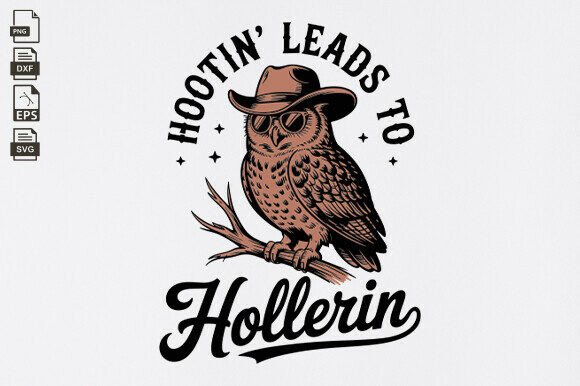
The moment I opened the machine embroidery design, I knew this was going to be something different. The theme is clearly inspired by classic western motifs—think old-school rodeo posters, vintage denim, and rustic charm. The owl, central to the piece, is rendered in a stylized way that feels both nostalgic and modern. It has a strong visual presence, which makes it ideal for projects where you want your embroidered patch or graphic to stand out.
What stood out most was the layout. It's balanced but not too tight, giving enough space for small details without overwhelming the fabric. The color palette includes muted tones with pops of deep reds and greens, making it versatile enough to work on lighter backgrounds while still holding its own. This kind of detail level and visual personality screams “handmade product” and hints at a craft business looking to add authenticity to their line.
Real-Life Embroidery Use Cases
I immediately thought of using Hootin Leads to Hollerin, Vintage Weste on custom apparel like sweatshirts and tote bags. Its boldness works well on cotton blends, especially when paired with a high-quality satin stitch outline. The owl itself could become a signature element for a boutique selling western-themed sweatshirt embroidery, or even for personalized gifts such as baby items or holiday gifts.
- Tote Bags: The design scales nicely for larger hoop sizes, so it would look great on a 10x14 inch canvas tote. The fill stitches add depth without being too dense, keeping the weight of the fabric manageable.
- Aprons & Pillow Covers: For kitchen aprons or home decor, the vintage feel fits perfectly. The stitched texture adds a handcrafted touch that appeals to Etsy sellers and small shop product creators alike.
- Baby Clothes: If used carefully (more on that later), the simplified version of the owl could work on onesies or bibs. Just make sure the stitch density isn’t too heavy for delicate fabrics.
- Patches & Caps: As an embroidered patch, it has strong contrast and structure, which means it’ll hold up well when sewn onto jackets or caps. On curved surfaces like hats, you’ll want to test the alignment and adjust if needed.
Commercial & Boutique Applications
This design could easily slot into a commercial embroidery project or a handmade line for a local craft fair. The visual appeal is there, and customers tend to gravitate toward designs that tell a story. Whether it's for a western-themed wedding gift or a holiday embroidery item, the design feels intentional and polished.
Etsy sellers might find this a great addition to their collection of design assets, especially if they're focusing on vintage or retro markets. It also works as part of a cohesive brand identity for a craft business aiming to build recognition through consistent use of western motifs.
Where Caution Is Needed
While Hootin Leads to Hollerin, Vintage Weste is visually compelling, it’s not a one-size-fits-all solution. There are several factors to consider before committing it to production:
- Small Hoop Sizes: The design is fairly detailed, so using it in anything smaller than 6x10 inches might lose some of its charm. Test it on scrap fabric first to see how the features hold up at scale.
- Textured Fabrics: If you plan to stitch this on denim or twill, expect some variation in stitch definition due to fabric texture. You may need to adjust stitch density or use additional stabilizer.
- Thin or Stretchy Materials: Avoid using it on stretchy knits unless you have the right underlay settings. Thin cottons can show distortion if not properly supported.
- Dark Backgrounds: Thread colors included may blend on darker materials. Consider testing black or navy fabric with white thread for better visibility.
- Dense Stitch Areas: The owl’s wings and feathers have heavier fill areas. These can pucker if not stabilized correctly or if the fabric is too delicate.
- Products That Need Frequent Washing: High stitch density in certain areas may lead to wear over time. If you’re planning to sell items like aprons or tea towels, keep that in mind.
Design Integrity and Visual Appeal
One thing I appreciate about this machine embroidery design is that it maintains its shape and clarity even after multiple passes on the machine. The stitch lines don’t bleed into each other, and the overall layout doesn’t feel cluttered. That’s a big plus when you’re working with clients who value precision and presentation.
Visually, the owl feels like it has a soul. It’s more than just a symbol—it tells a story of the wild west, of freedom and folklore. When applied to a tote bag design, it becomes a conversation starter. Customers notice it, ask about it, and often walk away with a new appreciation for your handmade product.
Practical Designer Notes
Here’s what I recommend before using Hootin Leads to Hollerin, Vintage Weste in any project:
- Always test the design on scrap fabric first. Fabric reacts differently to embroidery based on weave, thickness, and grain.
- Check thread color contrast against your chosen background. Sometimes a slight change in color can dramatically affect readability and impact.
- Review stitch density settings. Especially around the feathered parts of the owl—too tight and it puckers; too loose and it loses definition.
- Confirm hoop size requirements. If the listing doesn’t specify, contact the seller. You don’t want to waste time and material trying to force it into a smaller hoop.
- Inspect small details like facial expressions or tiny elements. They should remain clear and intact after stitching.
- Test in black and white mockups to ensure the design still reads well if printed or displayed in grayscale.
- Compare light and dark fabric backgrounds during your test runs. This helps determine if the design needs tweaking for different colorways.
- Use proper stabilizer, particularly if you’re working with stretchy or thin materials. Tackiness and backing support will help maintain shape and prevent shifting.
- If you plan to sell finished items or offer digital embroidery files for resale, confirm licensing terms with the seller. Not all designs are commercial-friendly.
Stitch Clarity and Professional Presentation
After running a few tests, I noticed that the stitch clarity is solid. The satiny edges of the owl’s body pop nicely, while the inner fill stitches add a bit of texture without being distracting. The use of running stitch in the outer areas gives a sense of motion and openness that complements the vintage aesthetic.
For a professional setup, especially in commercial embroidery, I’d suggest pairing it with a simple border or frame to give it a polished edge. This enhances the stitched product and elevates its perceived value, which is crucial when targeting higher-end buyers or creating branded merchandise.
Customer Trust and Brand Consistency
Embroidery is more than decoration—it’s a statement of quality and attention to detail. Using a design like Hootin Leads to Hollerin, Vintage Weste shows customers you care about craftsmanship. It’s the kind of design that people remember, which is key for building brand consistency in a competitive market like Etsy or local boutiques.
When designing for personalized gifts or nursery decor, consistency across your product line matters. This design can serve as a recurring motif that ties together different items—t-shirts, pillows, or blankets—giving your collection a unified, recognizable style.
Giftability and Market Fit
As a giftable design, Hootin Leads to Hollerin, Vintage Weste checks all the boxes. It’s whimsical yet sophisticated, perfect for someone who loves Americana or western culture. I could see it becoming a bestseller for craft fair products or as a seasonal offering for holiday gifts. It’s also a safe bet for wedding gifts or anniversary items when paired with subtle text or dates.
Its versatility extends beyond apparel. Think about adding it to printable mockups for digital product sellers, or embedding it into a Graphics package for those who want to offer Crafts with instant download options. Just remember, the visual personality of the design should align with your target audience’s tastes.
Final Thoughts for Designers and Sellers
Hootin Leads to Hollerin, Vintage Weste is a standout embroidery file that delivers both style and substance. It’s not just another cowboy owl—it’s a design that can anchor a collection, elevate a custom apparel order, or turn a plain tote into a cherished keepsake.
However, like any good design, it requires thoughtful application. Pay attention to fabric choice, hoop size, and stitch management. With these considerations in place, this applique design can become a reliable asset in your creative toolkit. It’s a design worth investing in—for the right project.