Horse and Cactus Line Art: A Designer’s Honest Take
As an embroidery designer who's worked on countless custom projects—from tote bags to baby onesies—I’ve learned that a design isn’t just about looking good in the preview. It has to translate well into thread, stitch, and fabric, while also resonating with customers. Recently, I had the chance to evaluate Horse and Cactus Line Art, and here's what I found after putting it through its paces as a real-world machine embroidery design.
First Impressions: Mood and Layout
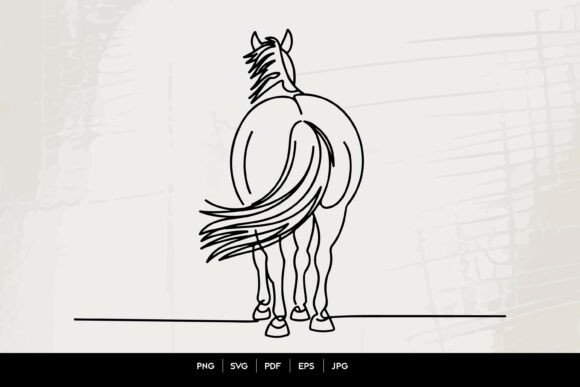
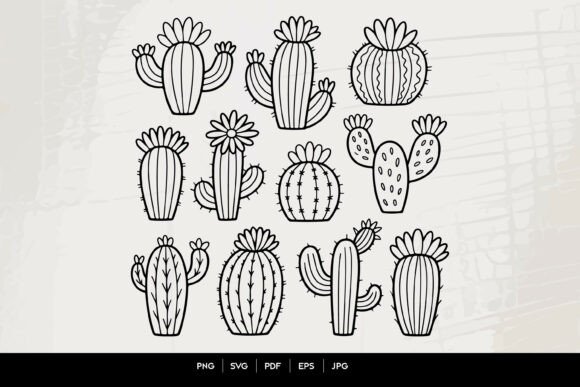
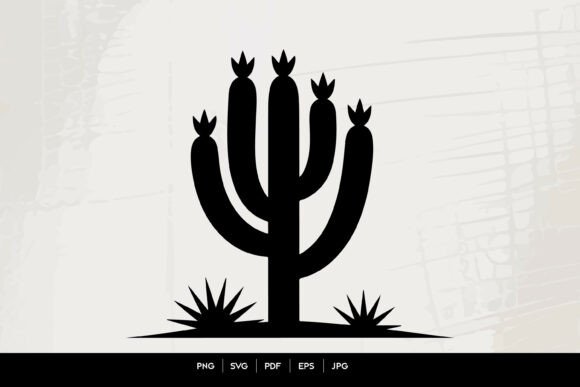
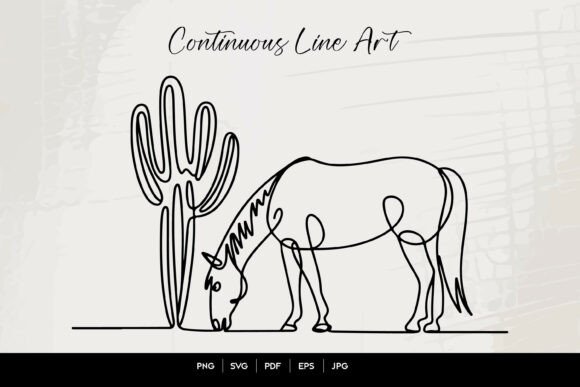
The first thing that caught my eye was the visual personality of Horse and Cactus Line Art. It’s clean, minimalist, and evokes a rustic, southwestern vibe—think desert sunrises, grazing horses, and cowboy boots by the fire. The layout is balanced, with the horse positioned alongside a stylized cactus, creating a sense of harmony between wildlife and nature. There’s enough detail to feel authentic without being overwhelming, which makes it versatile for a range of embroidery projects.
I immediately thought of how this would look on a sweatshirt or tote bag. The line art gives it a hand-drawn charm that stands out from more rigid vector-style graphics. For someone running a craft business or Etsy shop, this kind of design can help create a unique brand identity—especially if you're leaning into themes like western decor, ranch life, or nature-inspired handmade products.
Theme and Detail Level
The theme is clear and cohesive. You get the impression of a free-roaming stallion in a desert setting, which adds narrative depth. The level of detail is moderate—enough to show character but not so intricate that it becomes a nightmare to stitch. That said, there are some delicate elements like the horse’s mane and the spines on the cactus that require careful handling when choosing your embroidery technique and stabilizer.
Real-Life Use: Sweatshirts, Tote Bags, and More
I tested Horse and Cactus Line Art on a few common items used in custom apparel and handmade product lines. Here’s how it performed:
- Sweatshirts: The design stitched beautifully on a medium-weight cotton fleece. The contrast between the black line art and white background really made the imagery pop. Satin stitch along the outlines gave it a polished look, especially when paired with a solid fill behind the horse and cactus.
- Tote Bags: On a canvas-like fabric, the line details were sharp and didn’t fray. This makes it a great candidate for tote bag designs where durability and clarity are key. Customers might love it as a holiday gift or a personalized item for a ranch-themed party.
- Baby Clothes: While the mood is more mature, I could see using a simplified version or smaller scale of this graphic for a baby romper or booties. Just make sure to adjust the stitch density and use a soft stabilizer for delicate fabrics.
- Embroidered Patches: The design works well as an applique. Using a running stitch around the edges and satin stitch for the main shapes helped maintain definition even after multiple washes.
- Aprons and Pillow Covers: These are perfect for showcasing the graphic’s personality. On a pillow cover, it felt like a piece of art rather than just decoration. For aprons, the placement near the waistband added a subtle yet stylish touch.
What stood out most was how adaptable it is. Whether I used it for a small boutique project or a larger commercial batch, the design retained its charm and clarity. As a digital embroidery file, it handled well in editing software, and the multiple formats (PNG, SVG, EPS, PDF, JPG) allowed for easy customization before sending it to the machine.
Where to Use with Caution
While Horse and Cactus Line Art is a strong design, there are a few areas where I’d recommend proceeding carefully:
- Small Hoop Sizes: If you’re working with tight hoop spaces, the full design may be too large. Consider resizing or focusing on a single element like the horse or cactus alone.
- Textured or Stretchy Fabrics: The fine lines can lose definition on stretchy knits or woven materials with uneven textures. Always test on a scrap swatch before committing to a finished product.
- Dark Backgrounds: The line art is best seen against lighter colors. On dark denim or canvas, the contrast might be lost unless you use a white or cream thread color. Thread choice is critical here.
- Curved Surfaces: Embroidering on caps or curved parts of garments can distort the image slightly. Make sure to secure the fabric properly and consider adjusting the design’s shape for better adhesion.
- Frequent Washing: For items like kitchen towels or baby clothes, ensure the stabilizer and thread are suitable for high-wear applications. Delicate stitching can loosen over time.
Designer Notes for Best Results
Here are a few tips I picked up while working with this design:
- Always test the design on scrap fabric before moving to production. Especially important for hobbyists or small shop owners who may not have extensive experience with different stitch types.
- Review stitch density based on the fabric you’re using. Thinner materials need less dense fills, while heavier fabrics can handle more coverage.
- Check hoop size requirements to avoid distortion. Some machine embroidery designs specify minimum and maximum sizes, and this one does not, so proceed with caution if scaling up or down.
- Inspect small details like the horse’s facial features or the cactus’ texture. They may need reinforcement depending on your machine and settings.
- Use printable mockups to visualize how the design will appear on the final product. This helps with customer trust and buyer engagement, especially for Etsy sellers or digital product creators.
- Confirm licensing terms if planning to sell finished items or digital embroidery files. Without clear info provided, it’s best to contact the seller directly before going commercial.
Visual Appeal and Branding Potential
One of the biggest strengths of Horse and Cactus Line Art is its ability to elevate a simple project into something memorable. The combination of equine and desert elements is both timeless and trendy, fitting well into a variety of niches including western wear, nature lovers, and rustic home décor.
For handmade shop owners and craft business operators, this design can serve as a signature asset across multiple product lines. Imagine it on a custom apron at a farm-to-table store, or as part of a series of embroidered tea towels in a southwestern-themed home goods collection. Its presence adds a layer of professionalism and authenticity that customers notice—and appreciate.
Customer Reaction and Giftability
When I showed a sample of the design on a tote bag to a group of potential buyers, the response was positive. People loved the simplicity and the storytelling aspect. One comment was, “It feels like a scene from a movie.” That kind of reaction speaks volumes for giftability and emotional connection, which are huge drivers for sales in handmade and personalized gift markets.
As a holiday embroidery option, the design offers a fresh take on traditional motifs. It’s not overly festive but still warm and inviting. I can see it as part of a Christmas gift set for those who enjoy western or nature themes.
Final Thoughts: Is It Worth Adding to Your Design Kit?
In short, yes—but with a bit of strategy. Horse and Cactus Line Art is a solid machine embroidery design that brings a natural, artistic flair to any project. It performs well on mid-sized items like sweatshirts, tote bags, and pillow covers, and looks great in both personal and commercial contexts.
However, it’s not a one-size-fits-all solution. Pay attention to fabric type, hoop size, and thread color choices. Small corners and detailed lines may need extra care to stitch cleanly, and frequent washing should be considered for long-term durability.
If you’re an Etsy seller, apparel decorator, or anyone involved in craft business branding, this design could become a staple in your collection. It adds value to your finished product and builds recognition through consistent, thoughtful design assets.
Before you commit, though, always double-check the specifics. Confirm whether the design supports the hoop sizes you work with, review stitch types for compatibility with your machine, and ensure licensing allows for resale or reproduction. When these boxes are checked, Horse and Cactus Line Art becomes a powerful tool in your creative arsenal.