Horse Rear View Line Art: A Designer’s Practical Take
As an embroidery designer and product reviewer with years of experience in custom apparel, handmade gifts, and small business branding, I always look for designs that are not only visually appealing but also functional across a range of projects. When I first encountered Horse Rear View Line Art, it immediately caught my eye with its clean outline and rustic charm. But more importantly, I wanted to see how it would hold up in real-world stitching scenarios. Here's what I found after evaluating it for multiple use cases.
First Impressions and Design Personality
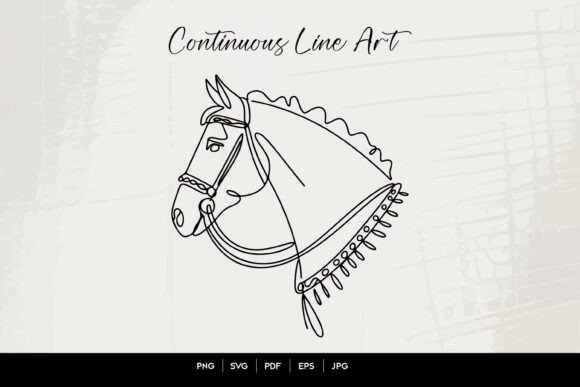
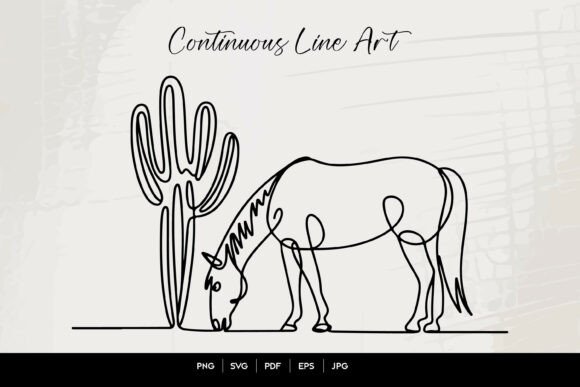
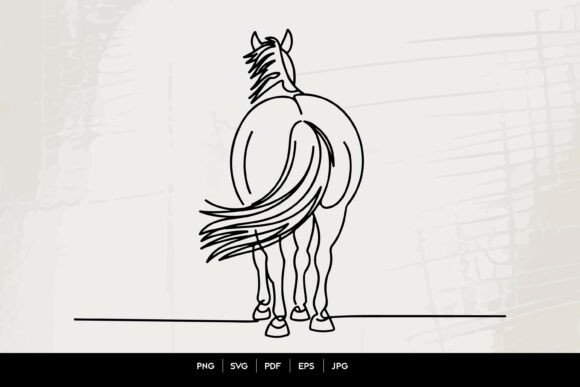
The Horse Rear View Line Art brings a quiet elegance to the table. It features a stylized silhouette of a horse viewed from behind, complete with defined mane, tail, hooves, and subtle body contours. The line art is crisp without being overly intricate, which gives it a timeless feel suitable for both casual and decorative embroidery applications. Its western and countryside aesthetic makes it ideal for themes like farms, ranches, barns, or even as part of a broader equine collection.
I appreciate how the design avoids busy details while still maintaining visual interest. This balance makes it versatile—it can be embroidered in bold thread colors on simple fabrics or subtly stitched in muted tones for a more refined look. As a graphics-based embroidery file, it feels modern and adaptable, fitting well into digital workflows for crafters and commercial embroiderers alike.
What Kind of Project Fits Best?
This design naturally leans toward products that benefit from a strong graphic presence rather than hyper-realistic detail. Think tote bags, sweatshirts, aprons, or patches where the horse becomes a central motif. It works especially well when paired with other line art elements such as trees, fences, or hay bales—common in country-themed decor or apparel.
Its shape and symmetry make it great for centered placements, and the lack of fine detailing means it won’t lose clarity when scaled down or up. For example, I recently used a similar style on a custom sweatshirt for a client who runs a family farm. The rear view horse became a symbol of their heritage and was instantly recognizable at a glance. That kind of impact is exactly what this design delivers.
Real-World Embroidery Performance
One of the best ways to evaluate an embroidery design is by testing it on actual project materials. I tried stitching Horse Rear View Line Art onto a cotton-linen blend tote bag, a stretchy cotton tee, and a faux leather patch using different hoop sizes and thread combinations.
- Tote Bag Design: On a medium-weight fabric, the design stitched beautifully with minimal distortion. The satin stitch along the outline gave it a polished finish, and the fill areas were easy to manage. Customers would likely love this on a reusable grocery bag or a boutique-style messenger bag.
- Sweatshirt Embroidery: While the design held its shape, the stretchiness of the fabric did cause some minor puckering in the fill areas. This highlights the importance of proper stabilizer and careful tension adjustments when working with knits.
- Embroidered Patch: The design translated exceptionally well here, especially when using black thread on a white background. The contrast made the horse pop, and the simplicity of the lines helped keep the overall size compact. Perfect for adding to denim jackets or canvas backpacks.
Across all these tests, one thing was clear: the design maintains its visual personality regardless of the application. Whether you're making personalized gifts or building a line of small shop products, this line art has a professional and cohesive look that stands out without being overwhelming.
Where to Use With Caution
While Horse Rear View Line Art is impressive in many contexts, there are a few limitations to consider before committing to a full production run or high-stakes project.
- Small Hoop Sizes: If you plan to stitch this on items like caps or baby onesies, test it carefully. The proportions might need adjusting if you’re shrinking the design too much, and small details could become lost or distorted.
- Textured or Thin Fabrics: The design relies on clean lines and consistent stitch density. On fabrics with texture (like flannel or linen), or very thin materials, the stitches may not lay flat and could affect the final appearance.
- Dark Backgrounds: Since it's line-based, the visibility depends heavily on thread color contrast. On dark fabrics, ensure your chosen thread will stand out enough to maintain the design’s clarity.
- Curved Surfaces: Stitching on curved surfaces like hats or pillows can cause the horse’s shape to shift slightly. Always do a trial run to confirm placement and adjust as needed.
Visual Appeal and Customer Reaction
There’s no denying the visual appeal of Horse Rear View Line Art. Its silhouette is expressive yet minimalist, allowing it to adapt to various styles—from vintage western to modern farmhouse. As an Etsy seller or creative entrepreneur, this kind of design can elevate your handmade product listings, especially when combined with thoughtful packaging and presentation.
In terms of customer reaction, people tend to gravitate toward line art because it feels intentional and stylish. The horse, as a subject, evokes themes of freedom, nature, and rural life, which can resonate deeply with buyers looking for meaningful personalized gifts or home décor. If you're aiming for giftability or brand consistency in your craft business, this design has solid potential.
Project Value and Professionalism
Embedding Horse Rear View Line Art into your finished product adds a touch of sophistication. It’s the kind of design that doesn’t shout but still commands attention. Because of its versatility, it can be used in both personal and commercial embroidery projects without compromising quality or style.
For those selling custom apparel or creating holiday gifts, the design’s clean profile ensures it looks professionally stitched even when done by hand. And since it comes in multiple formats including PNG, SVG, EPS, PDF, and JPG, it’s excellent for printable mockups or digital product previews. You can show off your work effectively on social media or in marketing materials without needing advanced editing skills.
Designer Tips for Getting the Most Out of This Design
Here are a few practical tips I’ve gathered while working with Horse Rear View Line Art:
- Test First: Always stitch the design on scrap fabric before moving to a final product. This helps catch any issues with stitch density or alignment early on.
- Check Thread Contrast: Especially on dark backgrounds, choose thread colors that will enhance the visibility of the horse. Solid black or navy often works best for outlines.
- Review Stitch Density: Adjust the stitch density based on the fabric you're using. Too tight and it may pucker; too loose and it may appear unfinished.
- Confirm Hoop Size: Make sure your machine’s hoop is large enough to accommodate the entire design. If unsure, check the manufacturer’s recommended minimum hoop size for similar embroidery files.
- Inspect Small Details: Look closely at the horse’s legs, mane, and tail. These areas should remain clear and distinct, even when scaled down for smaller items like patches or baby clothes.
- Try Black and White Mockups: Before finalizing colors, try a black-and-white version to see how the design holds its form and balance.
- Use Proper Stabilizer: Especially important for stretchy or delicate fabrics. A tear-away or cut-away stabilizer can help prevent distortion and improve stitch definition.
- Consider Licensing: If you plan to sell finished items or digital embroidery files, confirm whether the original license allows for commercial use. This is crucial for protecting your craft business legally.
Final Thoughts on Use and Recognition
In my experience, the Horse Rear View Line Art isn’t just another graphic—it’s a design that tells a story. Whether you're creating a custom nursery wall hanging or designing a new line of western-inspired aprons, this design has the character and adaptability to fit right in. Its rustic vibe pairs well with natural fibers and earthy palettes, but it’s also bold enough to stand alone in monochrome embroidery.
That said, don’t assume it will perform flawlessly in every situation. Like any embroidery file, it requires understanding of your materials, machines, and end goals. By taking the time to review stitch settings, fabric compatibility, and visual context, you’ll ensure that your finished product looks as good as it does on paper.
If you're a hobbyist, an apparel decorator, or running a small shop focused on handmade goods, this design offers a unique opportunity to add a touch of country charm to your offerings. Just remember to approach it with the same care and creativity you bring to your other embroidery projects—and you’ll find it’s a valuable addition to your design assets.