Line Art Hat Vector Illustration Review: A Designer’s Take
As a designer who regularly evaluates machine embroidery designs for real-world use, I’ve come across many vector illustrations that look great on screen but fall flat in the stitch. The Line Art Hat Vector Illustration caught my eye with its minimalist charm and classic cowboy motif. Let me walk you through how this design holds up when applied to actual projects.
A Fresh, Timeless Design for Custom Embroidery Projects
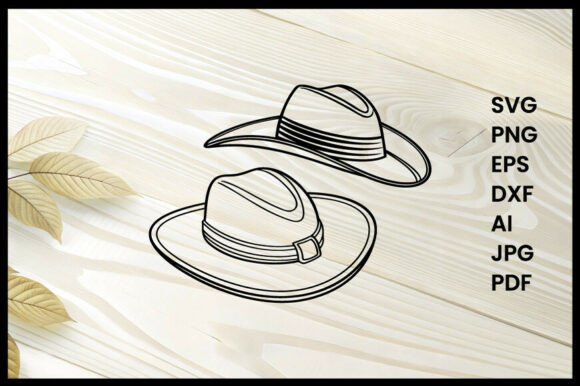
The first thing that stands out about the Line Art Hat Vector Illustration is its simplicity. It features two elegantly drawn cowboy hats rendered in clean lines, devoid of shading or color—just pure vector strokes. This kind of line art creates a mood that's both vintage and modern, depending on the context. Its theme is subtle enough to complement a wide range of products yet bold enough to make a statement when placed correctly.
I immediately thought of using it for a custom sweatshirt order from a client who wanted something understated but meaningful. The layout feels balanced and intentional; the placement of the two hats gives a sense of symmetry and depth without overwhelming the viewer. The detail level is just right for a line art style—no unnecessary flourishes that could complicate stitching or fabric coverage.
Real-Life Performance in Embroidery Projects
When considering real-life embroidery applications, this design shines in several areas:
- Custom Apparel: The Line Art Hat works well on t-shirts, sweatshirts, and even tote bags. Its minimalism makes it adaptable to different garment styles and sizes.
- Baby Clothes & Gifts: For a baby hat or personalized gift, the gentle curves and lack of heavy fill stitches keep the look soft and approachable.
- Patches and Caps: The design’s clean lines are ideal for embroidered patches or cap embroidery. It maintains clarity even at smaller scales, which is essential for these items.
- Home Decor Items: When stitched onto aprons, pillow covers, or tea towels, the illustration adds a touch of Western flair without being too literal or busy.
- Digital Print-Ready Use: As a graphics product, it’s also suitable for print-on-demand services or printable mockups. The vector format ensures crisp edges whether printed large or small.
What’s especially appealing is how versatile the design is for both handmade products and commercial embroidery. Whether you're an Etsy seller looking to add a unique touch to your listings or part of a small shop creating branded merchandise, this file offers a solid foundation for customization.
Where Caution Is Advised
While the Line Art Hat Vector Illustration has broad appeal, there are a few scenarios where it might not perform as expected. Here are some practical notes based on testing and experience:
- Small Hoop Sizes: If you’re working with tight hoop dimensions (like those used for caps or small patches), the fine details may get lost unless the design is scaled appropriately.
- Textured Fabrics: On fabrics like canvas or denim, the line art may lose definition if not stabilized properly. Stitch density and stabilizer choice become crucial here.
- Thin or Stretchy Materials: Delicate materials such as lightweight cotton or spandex can cause distortion or puckering, especially around the finer lines and curves of the hats.
- Dark Fabric Backgrounds: While the design looks great in black and white mockups, it needs high-contrast thread colors to stand out clearly on darker backgrounds. Always test thread visibility before committing to a production run.
- Curved Surfaces: Embroidering on curved surfaces like baseball caps requires careful seam adjustment to avoid stretching or warping the design.
- Frequent Washing: Because it uses running stitches and light fill patterns, frequent washing may lead to fraying over time. Reinforcing the design or choosing durable thread types can help mitigate this.
Design Notes for Optimal Results
If you're planning to use this design in a project, here are some key tips to ensure success:
- Test on Scrap Fabric First: Especially important for beginners or if you haven’t worked with similar line art before. It helps identify potential issues with stitch flow or fabric compatibility.
- Review Stitch Density: Look for dense areas in the file. These may require thinning or adjusting to prevent bulging or distortion.
- Confirm Hoop Size: Check the recommended hoop size for the design. If it's not listed, scale it down gradually while ensuring all elements remain intact.
- Inspect Small Details: Since the design includes intricate line work, review each section for smooth transitions and proper spacing between stitches.
- Use Proper Stabilizer: For stretchy or delicate fabrics, a tear-away or cut-away stabilizer will make a big difference in final quality.
- Thread Color Contrast: Consider using metallic or contrasting thread colors to enhance visibility. White thread on black fabric can be effective, but so can gold or silver on neutral tones.
- Check Licensing Before Selling: Make sure the digital embroidery file comes with commercial use rights if you plan to sell finished products or digital assets.
Visual Appeal and Marketability
One of the biggest strengths of the Line Art Hat Vector Illustration is its visual personality. It brings a sense of nostalgia and elegance to any product it's embroidered onto. The design doesn't shout, but it definitely gets noticed. It's perfect for boutique branding, personalized gifts, or holiday-themed embroidery.
From a customer perspective, this type of line art often feels more premium than overly detailed or cartoonish designs. It conveys a level of craftsmanship and intentionality that appeals to buyers looking for thoughtful, handmade products. For Etsy sellers and craft fair participants, this kind of design can elevate their offerings and create a cohesive brand identity.
Stitching clarity is another factor that contributes to its professional appearance. When executed properly, the line art appears crisp and refined, making it ideal for anything from a simple patch to a custom blanket label. The design’s adaptability also means it can fit into various niches—from Western-themed apparel to minimalist home decor.
Project-Specific Applications and Limitations
Let’s imagine applying this design to a couple of common embroidery projects:
Embroidered Tote Bag
For a tote bag design, the Line Art Hat would serve as a subtle yet stylish accent. Placed along the top edge or centered on the front, it adds a touch of character without competing with other embellishments. However, if the tote is made from a stretchy or textured material, consider reinforcing the area or simplifying the design slightly.
Custom Sweatshirt Embroidery
On a sweatshirt, this design could be used as a back neck tag or chest emblem. The softness of the lines complements the cozy feel of the garment. Just ensure the thread colors contrast well against the base fabric and adjust stitch density accordingly to avoid bulkiness.
Printable Mockup for Digital Product Sellers
If you're a digital product seller offering this as a print-ready graphic, the line art lends itself beautifully to mockups. You can show it on mugs, pillows, or shirts in both color and monochrome variations. The clean nature of the vector illustration allows for easy scaling and formatting without loss of quality.
Final Thoughts for Crafters and Entrepreneurs
In summary, the Line Art Hat Vector Illustration is a strong addition to any embroiderer’s design library. It performs best on medium to large-sized items with stable, non-stretchy fabric. Its versatility across multiple crafts and business models—from handmade gifts to commercial embroidery—makes it a valuable asset for creative entrepreneurs.
However, don’t assume it will work flawlessly in every scenario. As always, test the design on your intended fabric, check thread visibility, and confirm licensing terms if selling finished products or digital goods. Treat it as a starting point rather than a finished solution, and you’ll unlock its full potential.
Whether you're an embroidery designer working on a boutique collection or a hobbyist experimenting with new motifs, this design offers a fresh take on Western iconography. With the right preparation and attention to detail, it can turn into a standout feature on your next handmade product or personalized gift.